Cardiolla: A Brushed Script for Real Design Work
There I was, staring at a blank brand board, trying to figure out how to bring a sense of warmth and authenticity to a new café project. The client wanted something that felt personal, like it had been drawn by hand, not generated by a machine. That’s when I reached for Cardiolla.
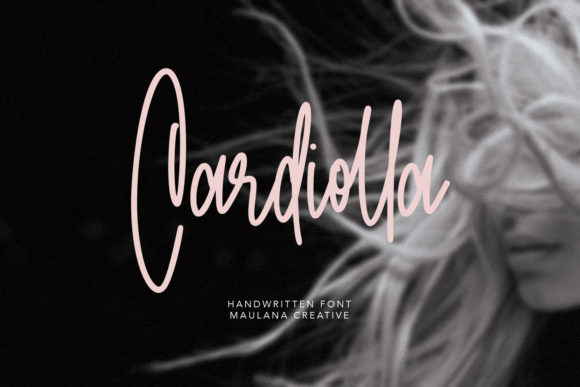
Cardiolla is a script typeface with a distinct handcrafted feel. It has the softness of a brush stroke, the fluidity of a handwritten signature, and the elegance of a well-designed logo. The curves are smooth but not too exaggerated, and the letterforms have just enough variation to feel natural rather than repetitive.
I started by testing it on a simple logo draft. The first thing I noticed was how it brought a sense of personality to the design. It wasn’t overly ornate, but it had a quiet confidence. It worked well as a headline font, giving the brand a friendly yet professional tone.
As I moved into packaging design, I saw how Cardiolla could add visual interest without overwhelming the message. On a coffee bag, it looked great alongside a clean sans serif for the product name and description. The contrast between the two fonts created a balanced composition that was both readable and stylish.
One of the things I appreciate most about Cardiolla is its versatility. It can be used in a variety of design contexts—website headers, social media graphics, flyers, and even editorial layouts. It doesn’t scream for attention, but it always feels right in the right place.
When working on a website header, I found that Cardiolla added a nice touch of character without sacrificing clarity. It paired well with a modern sans serif, creating a visual hierarchy that guided the user’s eye naturally. On a poster or flyer, it gave the design a handmade quality that made the content feel more approachable.
I also tested it on a business card mockup. The font looked good at different sizes, and the subtle variations in the letterforms made it feel unique. It didn’t look like a generic font, which is important for a brand that wants to stand out.
One of the key considerations when using a script font like Cardiolla is readability. While it’s perfect for short-form text, it’s not ideal for long paragraphs. That’s why I tend to use it as a display font or an accent in larger compositions. It works best when it’s given space to breathe and isn’t competing with other elements on the page.
For a small café, I paired Cardiolla with a classic serif font for the menu and signage. The combination created a warm, inviting atmosphere that matched the brand’s personality. It also helped establish a consistent visual language across all materials, from the website to the physical store.
Another thing to consider is font pairing. Cardiolla works well with other script fonts, but it also pairs nicely with sans serifs or serif fonts for a more balanced look. I found that using it as a secondary font in a design system helped maintain visual consistency while still allowing for creative expression.
If you’re planning to use Cardiolla in a full brand system, it’s a good idea to test it in different scenarios before finalizing your design. Try it on a shop sign, a label sticker, or a homepage hero section. See how it looks in print versus digital formats. This will help you understand its strengths and limitations.
Cardiolla comes in multiple weights and styles, which makes it even more useful for different design applications. I appreciated the included alternates and ligatures, which added a level of refinement to the typography. It also supports multiple languages, which is helpful if you're working on international projects.
From a commercial perspective, Cardiolla is a premium font that offers a lot of value for designers. Its handcrafted aesthetic sets it apart from other script fonts, making it a great choice for brands that want to convey authenticity and creativity. Whether you're working on a logo, a packaging design, or a social media campaign, Cardiolla can help elevate your work.
For clients who are looking for a unique and expressive font, Cardiolla is an excellent option. It gives designs a personal touch that can make a big difference in how a brand is perceived. It’s not just a font—it’s a tool for storytelling through typography.
As I wrapped up the café project, I realized how much Cardiolla contributed to the overall identity. It wasn’t just about the look; it was about the feeling. It made the brand feel more human, more connected, and more memorable.
Whether you're working on a small boutique, a skincare line, or a creative studio, Cardiolla can help you create a visual language that feels genuine and authentic. It’s a font that understands the power of a well-crafted letterform, and it brings that same care to every design it touches.