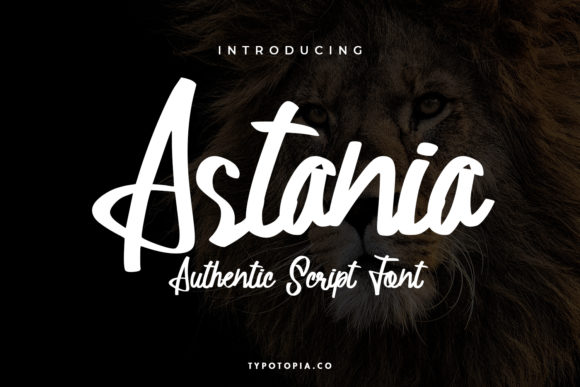
Astania: A Bold Handwritten Font
Astania is a striking handwritten font that brings a sense of elegance and movement to any design. Its flowing strokes and distinctive character make it ideal for editorial projects that demand both visual appeal and readability. As a member of the Script Amp collection, Astania offers a versatile option for content creators looking to enhance their layouts with a personal touch.
Designed with a balance between spontaneity and structure, Astania captures the essence of a natural hand while maintaining the clarity needed for professional publishing. Its unique style adds a layer of sophistication that can elevate everything from blog headers to magazine covers. Whether used in print or digital formats, Astania provides a fresh and engaging way to present content.
Using Astania in Editorial Design
In editorial design, typography plays a crucial role in shaping the reader’s experience. Astania excels as a display font, making it perfect for headings, subheadings, and other prominent text elements. Its fluid curves and dynamic lines draw attention without overwhelming the reader, making it an excellent choice for article layouts and cover designs.
For bloggers and publishers, Astania can be used to create eye-catching headlines that stand out on social media, newsletters, and website banners. When paired with a clean sans serif or readable serif font, it creates a balanced contrast that enhances visual hierarchy. This combination ensures that the message remains clear while adding a stylish flair to the overall design.
Within ebooks, Astania can be used for chapter openers, title pages, and section dividers. Its expressive nature makes it ideal for storytelling, where the tone and mood of the content are just as important as the words themselves. For printable guides and worksheets, Astania adds a personal and artistic touch that makes the material feel more engaging and approachable.
Applications Across Content Formats
Whether you're designing a lifestyle blog, a recipe ebook, or a wedding guide, Astania offers a range of applications that cater to different editorial needs. In a lifestyle blog, it can be used for featured post titles, pull quotes, and graphic elements that reinforce the brand’s personality. Its warm and inviting style aligns well with content that aims to connect with readers on an emotional level.
For recipe ebooks, Astania can be used to highlight dish names, cooking tips, and motivational quotes. Its handwritten appearance adds a sense of authenticity and creativity, making the content feel more personal and relatable. In a wedding guide, it can be used for section headings, quote graphics, and event schedules, helping to maintain a cohesive and elegant aesthetic throughout the publication.
In coaching workbooks and digital magazines, Astania can serve as a key element of the design language. It can be used for headings, captions, and decorative elements that support the overall theme. Its versatility allows it to adapt to various styles, from modern and minimalist to classic and traditional.
Readability and Practical Considerations
While Astania is a display font, its design ensures that it remains legible even at smaller sizes. This makes it suitable for use in PDF exports, mobile layouts, and print materials where clarity is essential. When used for longer reading, it’s best to pair it with a more structured typeface to maintain readability and prevent visual fatigue.
For screen reading, Astania works well when used in short bursts, such as in headlines or callout boxes. Its smooth transitions and consistent stroke weights help ensure that it remains accessible across different platforms and devices. When exporting to print, its high-quality glyphs and detailed letterforms maintain their integrity, resulting in a polished final product.
Font Pairing and Brand Identity
Pairing Astania with other fonts can help create a strong visual identity for a publication or brand. A common approach is to pair it with a serif font for body copy, which provides a stable and professional base. This contrast highlights the uniqueness of Astania while ensuring that the overall design remains balanced and easy to read.
Alternatively, pairing Astania with a clean sans serif font can create a modern and minimal look, ideal for digital publications and web-based content. This combination works well for captions, navigation elements, and other secondary text that requires clarity and precision.
When using Astania in branding, it’s important to consider how it aligns with the overall tone and message of the content. Its bold and flowing style makes it ideal for brands that want to convey creativity, warmth, and individuality. Whether used in logos, social media graphics, or packaging design, Astania adds a distinct personality that sets the brand apart.
Commercial Licensing and Usage
For content creators and publishers, understanding the licensing terms of a font is essential. Astania is available under a commercial license that allows for use in a wide range of projects, including ebooks, templates, printables, paid newsletters, client publications, and digital downloads. This flexibility makes it a valuable asset for designers who need to incorporate high-quality typography into their work.
Before using Astania in a commercial project, it’s important to review the specific terms of the license to ensure compliance. This includes checking whether the font supports multiple languages and whether it includes alternate characters, ligatures, and other stylistic options that may enhance the design.
Astania’s blend of style and functionality makes it a powerful tool for editorial designers, bloggers, and content creators. Its ability to add personality and visual interest to a wide range of projects ensures that it remains a go-to choice for those looking to elevate their design work with a touch of creativity and elegance.